Being a digital nomad for 4 months
My first four months of work mixed with travel, in South East Asia. Behind the beach-and-laptop photo: a second job, a lighter backpack, an ethical bill and the grocery guy.
Four months of working while travelling in South East Asia taught me that digital nomadism is not the beach-and-laptop photo. Travel with work is a second job that needs its own time. Owning less clears the mind. Flying has a cost, so make the trip count. And home is where people know you. Would I do it again? Yes, in a heartbeat.
I have recently dipped my toe into the pool of digital nomadism by going on a four-month trip in South East Asia. I consider myself a pretty well-versed backpacker, but this was my first foray into the world of work mixed with travel. Here is what I found.
Digital nomadism is sold to us as the dream lifestyle of the 21st century. After all, what’s not to love? You get to work on your supposed true calling while visiting amazing countries, experiencing rich cultures and just having a grand old time in general. But behind the facade of Instagram photos, cute travel blogs and those million-dollar startup ideas that only dawn on you on the road lies a world that not many talk about: a world of failed businesses, growing alienation sprinkled with a gnawing sense of emptiness, not to mention the ecological devastation that comes with mass tourism.
The question arises: if we gaze into the soul of digital nomadism, will we find something of value, or is it all just a sham?
Travel is work
First things first. We are all familiar with that nomadic photo, the one with the beach and the cocktail and the laptop, often accompanied by a cheeky comment like “just another day at the office” or some mindlessly bland variation on it. Let me be abundantly clear. That photo is a bald-faced lie. We have all done it, guilty as charged, but what the captions usually miss is just how miserable you are on that beach. It’s hot, the wifi sucks, and all your buddies are on their fifth mojitos while you are working on a report that you don’t really give a rat’s ass about.
Travel has become easier than ever thanks to technology. Long gone are the days of the guidebooks, filled with information that is outdated long before the ink dries on the paper, the era of incorrect maps on beer-soaked brochures and those scruffy notebooks with obscure phone numbers of second-rate hostel recommendations. Our phones serve as bottomless wells of information, navigation and translation. They are our guides, companions, our guardian angels, and frankly, it is awesome.
Those who miss the good old days of travel have clearly forgotten how miserable it is to haggle with taxi drivers in a foreign land, knowing full well that even your best negotiated price is still a massive rip-off. God, I love ridesharing apps.
Yes, travel has become easier, but that does not mean it has become effortless. What people forget is that travel requires a lot of organization, especially if you are on the road alone, and even more so when work is involved. Booking tickets, accommodation, transportation, researching the best SIM card deals, coworking spaces and gyms… What we are talking about is not just simple wanderlust-fueled backpacking. It is taking your whole professional and personal act on a world tour, with no roadies and assistants to help you. And all this organization and effort is tiring. Simply put, being a digital nomad is like having a second job, and if you don’t budget time for that job, you’re in for a rough ride.

Minimalism, minimalism, minimalism
The key to enjoying digital nomadism lies, just like with many other areas of life, in our minds. Embarking on a months-long journey does wonders for rewiring our brains when it comes to which objects in our lives matter most. The stuff that we own weighs us down, and this time, not just in a metaphorical sense.
If you do not enjoy carrying your whole life in your backpack, and consequently are not a fan of learning to live with your new sidekick, a hernia, you will soon learn to embrace the fact that letting go is kinda cool. Let go of all those useless gadgets, the clothes and all that extra medicine you brought along for your family members’ peace of mind.
The wonderful thing about minimalism as a mindset is that it is quite contagious.
Clearing all the material clutter, surprise surprise, provides unprecedented clarity of mind as well. You will feel a newfound appreciation for your work, your journey, your friends and family, and most importantly, yourself. Now ain’t that a nice cliché for us all?
The ethics of digital nomadism
Travel is a selfish act. We do not go halfway across the globe to enrich a culture; it’s the other way around. That culture is just fine without us, and it has been for centuries. We are the ones who seek adventure, self-fulfillment and new opportunities. It is all for us, or rather for me, the ego. And yes, you will be visiting exciting places, meeting all those people who will change your life, and yes, you will come home a better person.
There’s this classic quote floating around the internet about how travel is the only thing money can buy that will actually make you richer. Having travelled to more than 30 countries, I stand by that. But what about the price that future generations will be paying?
On one hand, it is an immense testament to our times that on a whim I can find myself on the other side of the world within hours. Preferably wearing shorts, since I really can’t stand the cold. On the other, it is such a selfish thing to do to the planet. After all, am I really burning all that dinosaur juice just so I can feel a little better about myself? Is that it?
Can we really preach sustainability, changing the world and being mindful about the future, when we feel so entitled to new experiences, cultures or just a warm beach?
There is no right or wrong here. Travel for the sake of travel is fine. Feeling guilty just for the sake of it is not, so locking ourselves in a room to ecomasturbate to the soothing voice of David Attenborough on Planet Earth is not a solution either. But ask yourself, at the end of the day: is your travel of substance, or is it for your ego? Are you on a mission with your nomadism, or are you just there to get that one Instagram photo that a thousand others have already taken? Be brutally honest, and make your selfishness count.
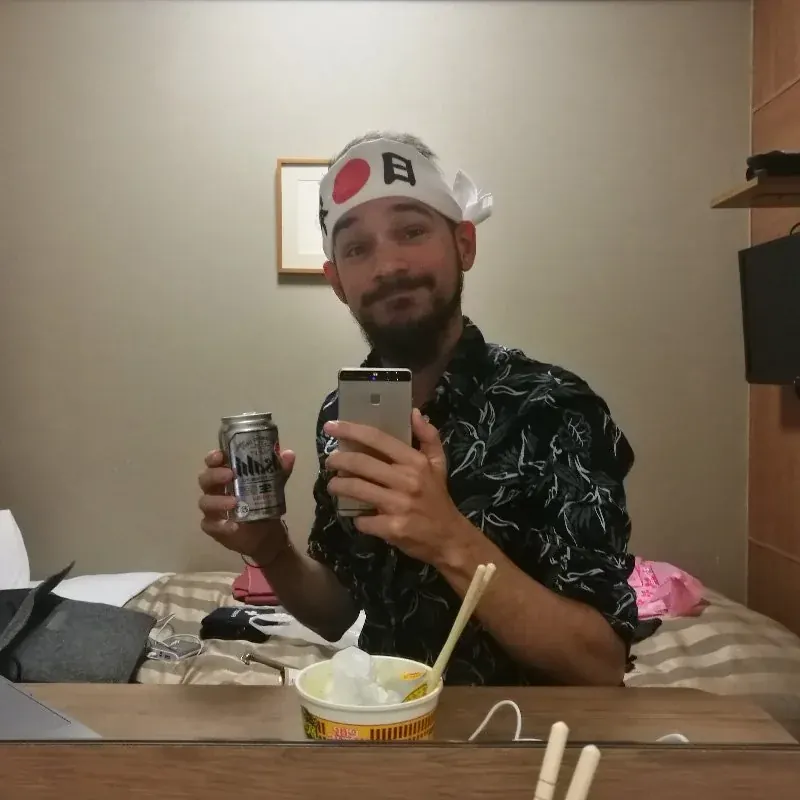
Home is where the grocery guy is
We live in an era when work is god and god is work. We are all devout followers of self-management and self-improvement, all in the chase of a better life. But as any good zealots, we often forget the boundaries. We overdo it, we chase our dreams, or at least dreams that we believe to be ours, only to find ourselves burnt out after months of work that is, when we really look deep down, meaningless. Yet another failure, yet another self-sacrifice, and for what? Bragging rights back home that I lived in Bali?
Home is where the workstation is for the digital nomad, or at least that’s what the pamphlets are selling. But that is again a lie.
So where is home then? The more you travel, the more familiar faces from all across the world will feel. And yet, the more distant you will become from most of them, as they are not the faces you know. Same same, but different. And what’s funny is that the more opportunities you have to connect, the less meaningful these connections become.
I am not that good with casual small talk, yet I immediately sense when people recognize me. That is when I start to feel secure in a new environment, be it a new apartment back home, a random hostel in Saigon, or just the grocery guy down the street. But building these familiarities takes time, effort and commitment, all of which are scarce resources for most digital nomads.
There was this Welsh guy in Thailand who told me that this nomadic lifestyle usually ends in one of two ways. Either you compromise some and give up the 24/7 travel, maybe put down roots somewhere, or after a couple of years on the road, you go crazy. There is no in between. As a digital nomad the world is your oyster, but the real connections are the ones that last. Home is where the grocery guy welcomes you with a smile, and knows you are the dude who will definitely want to skip talking about the weather.
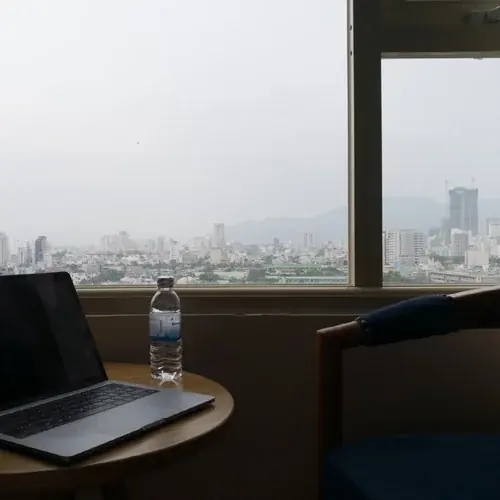
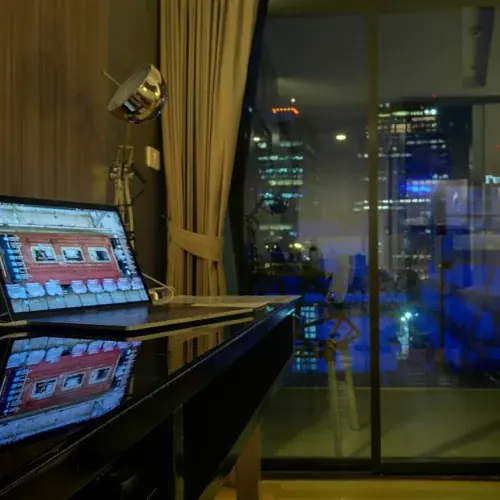
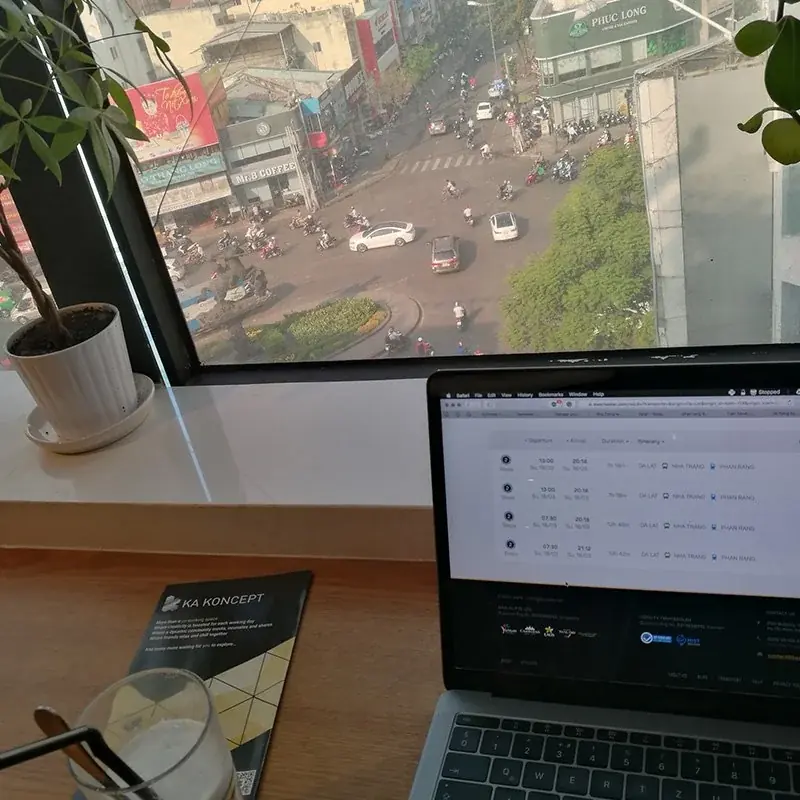
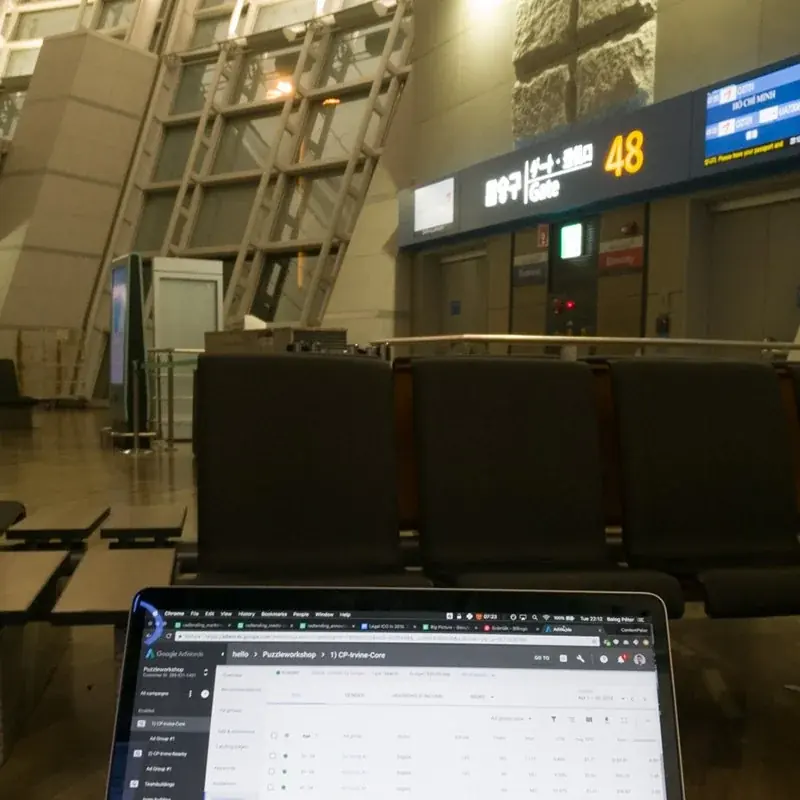
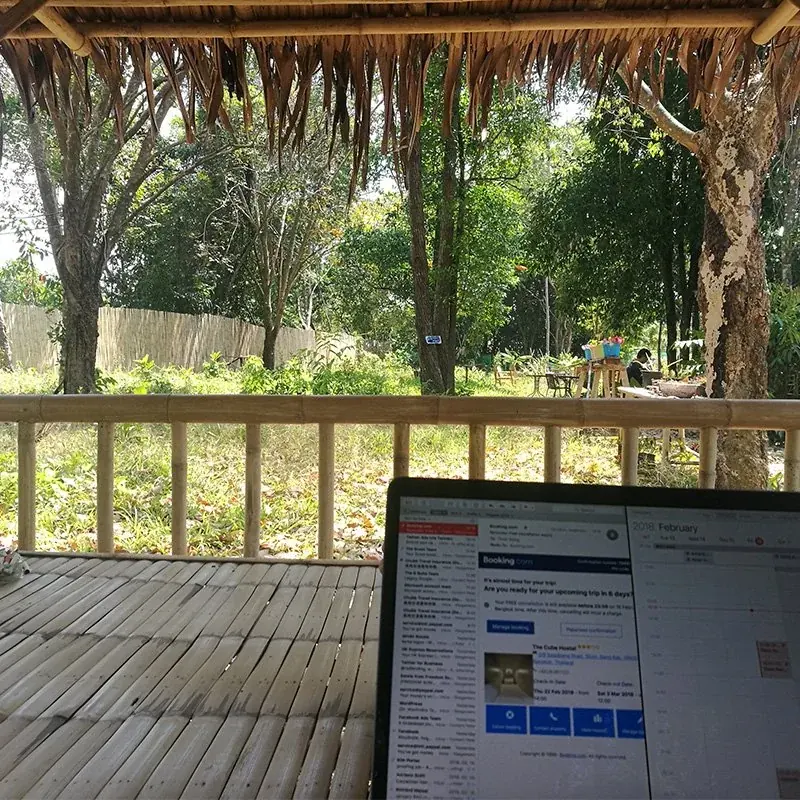
Sometimes you work from amazing locations. Sometimes you just make do.
Would I do it again?
Yes. In a heartbeat, no questions asked. Travel for me is a way to recharge, to broaden my perspective, to absorb new ideas and new people. Most of the best memories I have are the ones I got to experience on the road. I am who I am, and I have travel to thank for that.
Becoming a digital nomad is one of the greatest educations you can have, as it teaches perspective. And perspective has no price tag.
We are humans, and we like to create. In creation we find joy and meaning in our existence, and that is usually an awesome thing. Digital nomads are some of the most fascinating people on this mud ball right now. The freedoms they represent are marvelous, the ideas they throw around are crazy, and what’s even crazier is that they actually go out and make these ideas come true.
There is nothing wrong with seeking more financial freedom, with going after new opportunities, with setting out to make the world a better place. In fact, it is something to be celebrated. So go travel, go create. Become a freelancer, become a digital nomad. But never forget where home is, where your humanity is rooted, and most importantly, when it comes to packing that backpack, leave your ego out, and make your trip count.
Questions people ask
Is digital nomad life like the photos?
No. The beach-and-laptop photo is a lie. It is hot, the wifi is bad, and you are working on a report while your friends are on their fifth mojito.
What was the hardest part of working while travelling?
The organization. Tickets, places to stay, transport, SIM cards, coworking spaces and gyms. Being a digital nomad is like having a second job, and you need to budget time for it.
Is digital nomadism bad for the planet?
Travel is a selfish act, and flying has a cost that future generations will pay. I do not think there is a right or wrong answer, but I ask myself whether my travel has substance or is for my ego, and I try to make it count.
Would you do it again?
Yes, in a heartbeat. Travel recharges me and broadens my perspective. I just try to leave my ego out of the backpack.