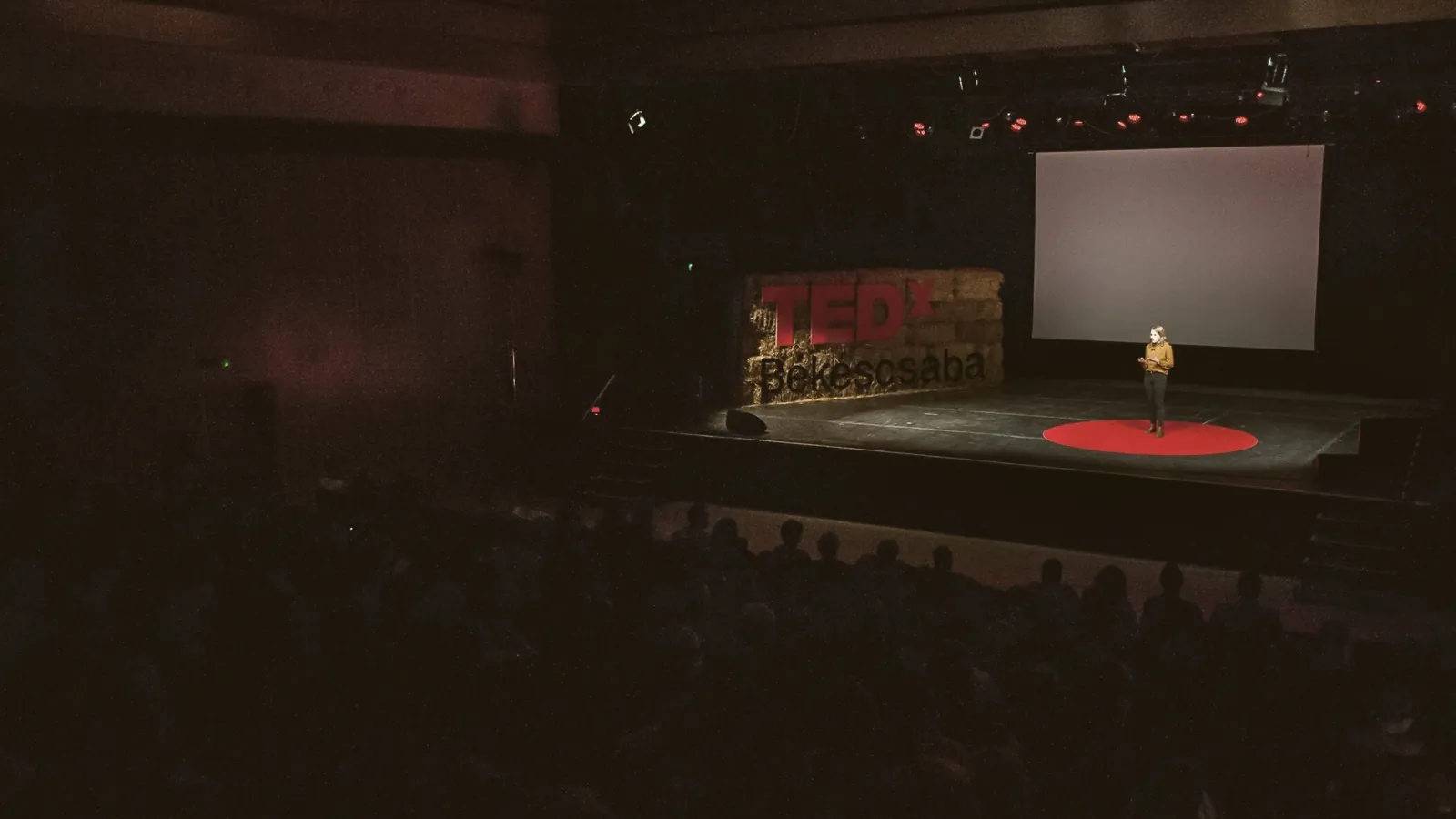
Marketing workshops for eco SMBs: the Carpathian Project
Nine months, four countries and many marketing and tourism workshops, where local entrepreneurs traded ideas with industry experts. What I learned from talking to 50 travel business owners.
In 2017 I ran the digital marketing part of the Carpathian Project: nine months of three-day workshops for eco and tourism businesses in Poland, the Czech Republic, Slovakia and Hungary. I ran the PPC campaigns for sign-ups, designed a marketing course for travel and tourism, and mentored business owners one on one. What I learned: small businesses want to learn digital marketing, but they need context instead of jargon, and someone they can trust.
Meeting the decision makers of four countries is a huge opportunity for any marketer, and this is what the Carpathian Project allowed us to do. Over the nine months of the project we got a unique insight into how tourism and eco SMBs see the world of digital marketing: their pain points, and what they need to grow their businesses. But before we got there, the challenge showed itself on several levels.
First of all, how do you attract decision makers to a three-day conference on eco tourism and digital marketing? Second, once the audience is there, how do you get across what marketing can do to business owners with varying digital literacy? And how do you do all of it again in four different countries?
This was a golden opportunity to learn what tourism and service providers have on their minds when it comes to digital marketing, so we had to take it.
The project took us to Poland, the Czech Republic, Slovakia and Hungary, and each location hosted a three-day mini conference. Participants could learn from university experts about the present and future of the travel industry, join digital marketing workshops, and see living, breathing eco businesses on study trips. The project also offered one-on-one mentoring, where SMB decision makers could ask the marketing and tourism experts on site for personal guidance. The final package also included a project booklet that summed up the most important points in an easily digestible way.
Over the nine months we helped set up the PPC campaigns that drove sign-ups in all four countries, designed a marketing course built around travel and tourism, and mentored each SMB decision maker personally. Here is what we learned along the way.
In a nutshell
The challenge. How do you attract decision makers to a three-day conference on eco tourism and digital marketing? Once the audience is there, how do you get across what marketing can do to business owners with varying digital literacy? And how do you do it all again in four different countries?
The work:
- PPC campaigns for sign-ups
- Designing a marketing course built around travel and tourism
- One-on-one mentoring for SMB decision makers
The demand and interest are there
One of the most striking first impressions in all four workshop groups was their interest in digital marketing. The decision makers of these SMBs were looking forward to the marketing workshops and wanted to absorb as much as possible.
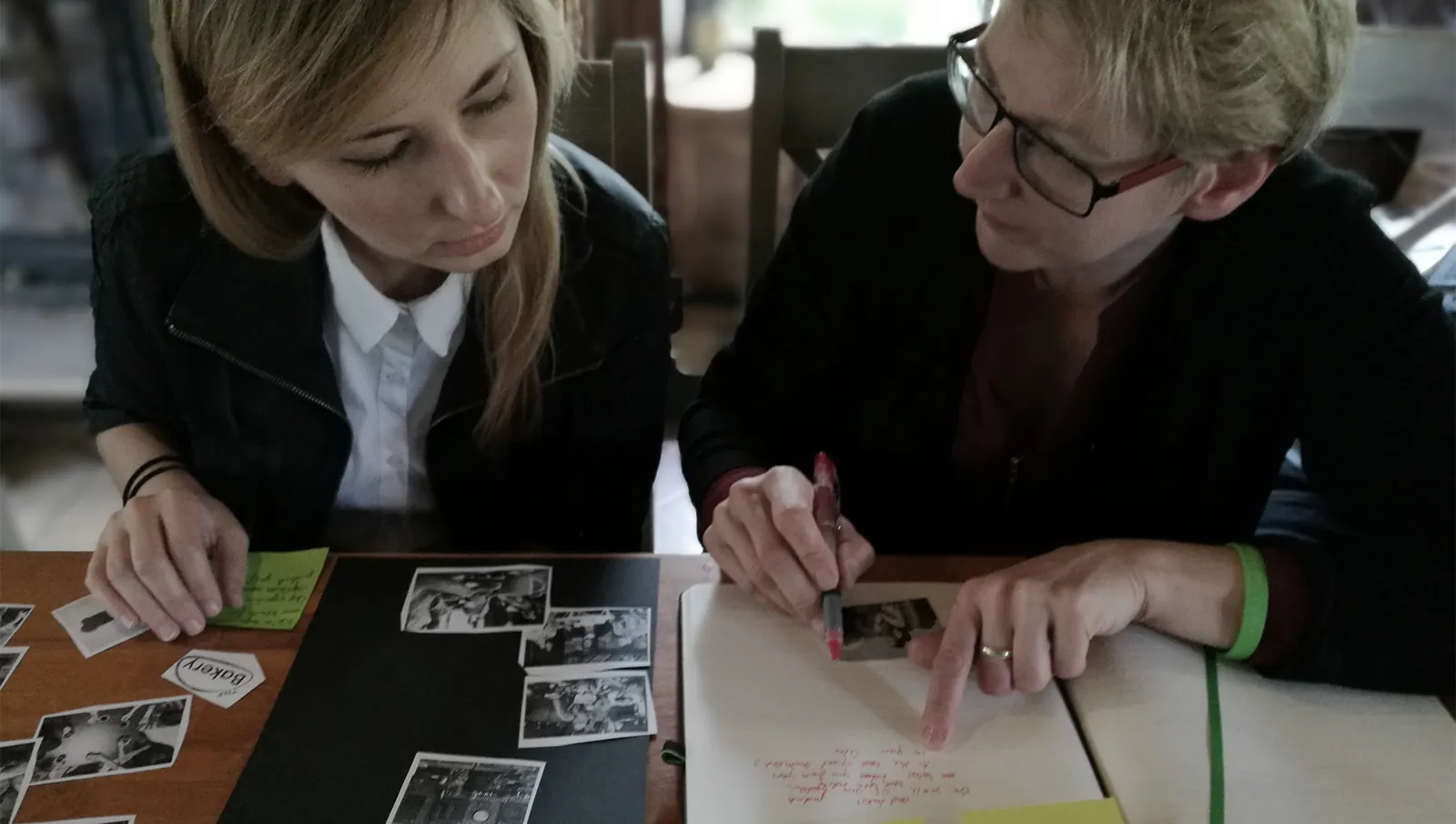
All of these companies were related to travel and tourism, which cast a wide net: apartments, hotels, farm stays, cheese making, jewellery workshops and more. Most participants had some online presence, usually a website, one or two social media accounts, booking sites and, in some cases, basic PPC ads. Their digital literacy varied. Some companies did the bare minimum (an outdated website from a decade ago), while others ran full-scale marketing operations (a good website, an Instagram account, Facebook ads and so on).
Over the four weekends with these business owners, it became clear that almost all of them see the potential in a modern online presence.
They see what the competition is doing, they understand the opportunities that online booking brings, and they want to get ahead. As mentioned, most of these companies already do some, or a lot, to get there. They experiment, try new platforms and campaigns, and learn from each other and from online courses.
But they face major challenges too. Most business owners would agree that the first issue is learning materials. Many participants said they needed to learn, but could not name places to learn from (resources, brands, websites). Simply put, they do not know where to start, and even when they do find resources, they do not trust the provider’s expertise.
SMB decision makers want to learn, but they do not know where to start, or whom to trust.
Even more worrying: most stakeholders in these businesses see the potential in digital marketing, yet do not see the need to invest in assets (a website, content marketing) and campaigns (social, advertising).
Challenges, and the competitive advantages of SMBs
The challenge for us marketers lies in several areas. First and foremost, we have an educational and trust barrier to break through. When it comes to marketing services, SMB decision makers usually need context, not complex technical terms.
Phrases like “conversion rate”, “user experience” and “reach” do not mean much, not to mention the nasty abbreviations all marketers love: CRO, UX, PPC, SEO, to name a few.
That does not mean these decision makers are unfamiliar with the ideas. When the marketer (or the workshop educator) translates the phrases into scenarios they know, it all becomes much clearer. Take “conversion rate”: maybe a hundred people walk past your shop in an hour. Out of those hundred, maybe twenty stop to look in the window, ten come into the store, and only five buy something. That five out of a hundred is a five percent conversion rate. This builds trust as well. The key, then, is to establish a common language for the conversation.
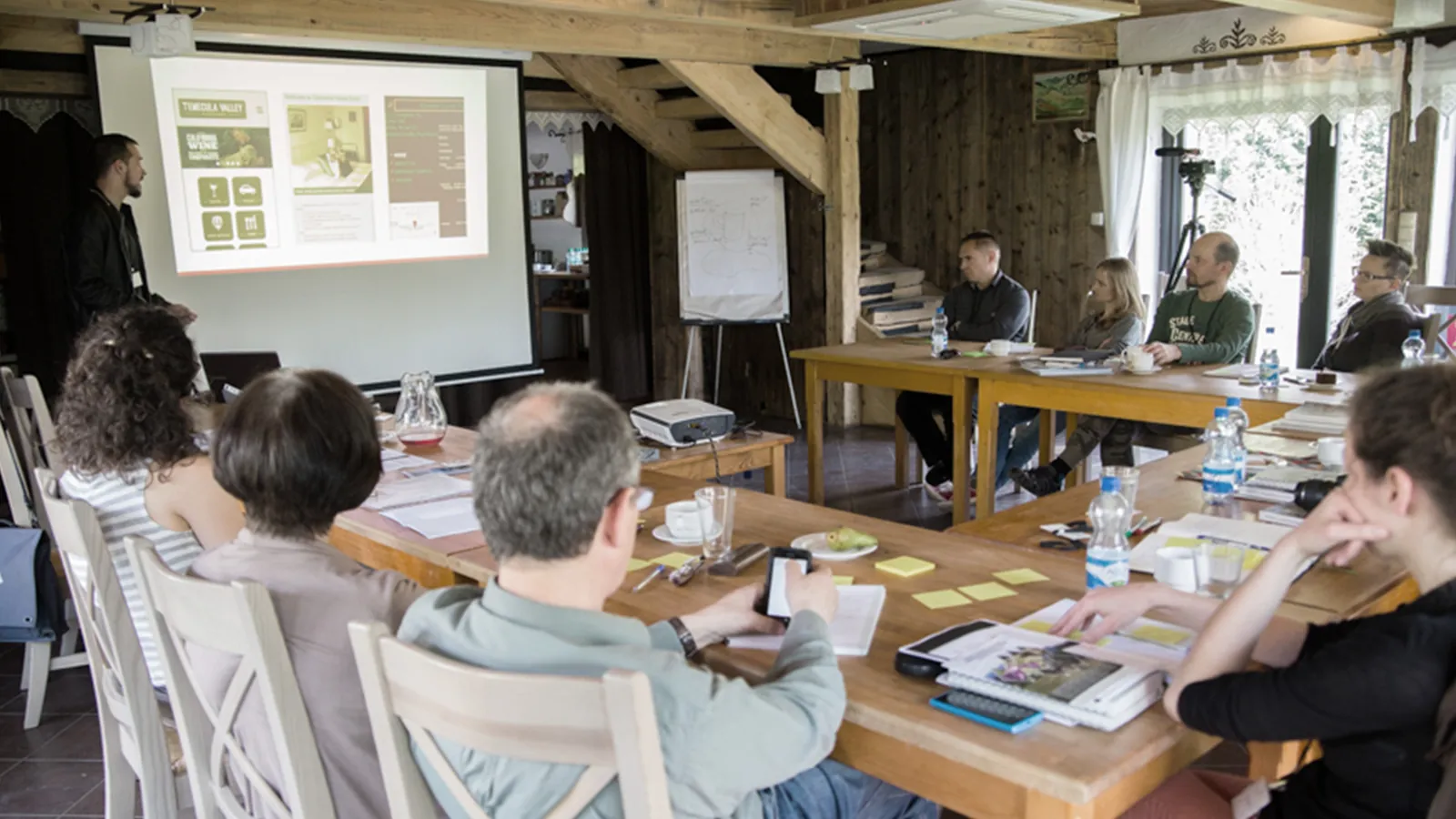
Even when they use several marketing channels well, most SMB decision makers do not see things as a system. Without enough digital and marketing literacy, they lack perspective: they do not know what is possible with campaigns or automation. Again, this is an educational challenge, but one that continuous conversation can overcome.
Other areas to improve include a general lack of visual storytelling, language barriers and a lack of global perspective. A good example of the last one: a hotel right next to the Austrian border that offered its website and services only in Czech.
As for advantages, the good news is that most SMBs have the product side of things locked down. These providers offer wonderful, memorable experiences, and whatever reviews they gather are overwhelmingly positive in almost every case. These businesses are bustling with unique ideas, touching personal stories and valuable products of beautiful craftsmanship. They have the goods. They just need help selling them to compete with the big online providers, be it with a simple online store or a more personal tour booking experience.
Programme outcome
Learning experience design is often neglected when we talk about marketing. But with SMBs, education is arguably one of the most important cornerstones of trust between client and marketer.
Over the nine months of the Carpathian Project, we developed a complete marketing course and presented it to SMB decision makers. The course gave a quick bird’s-eye view of what digital marketing can do, and built a systematic understanding of marketing channels and tools.
“The marketing module included a lot of very useful tips and advice on how to improve our internet presence. Also, the final individual consultations were very useful.”
The general feedback on all four workshops and the mentoring sessions was overwhelmingly positive. Participants were also grateful for the sense of community they found, as the workshops encouraged honest discussion and problem sharing between the business owners.
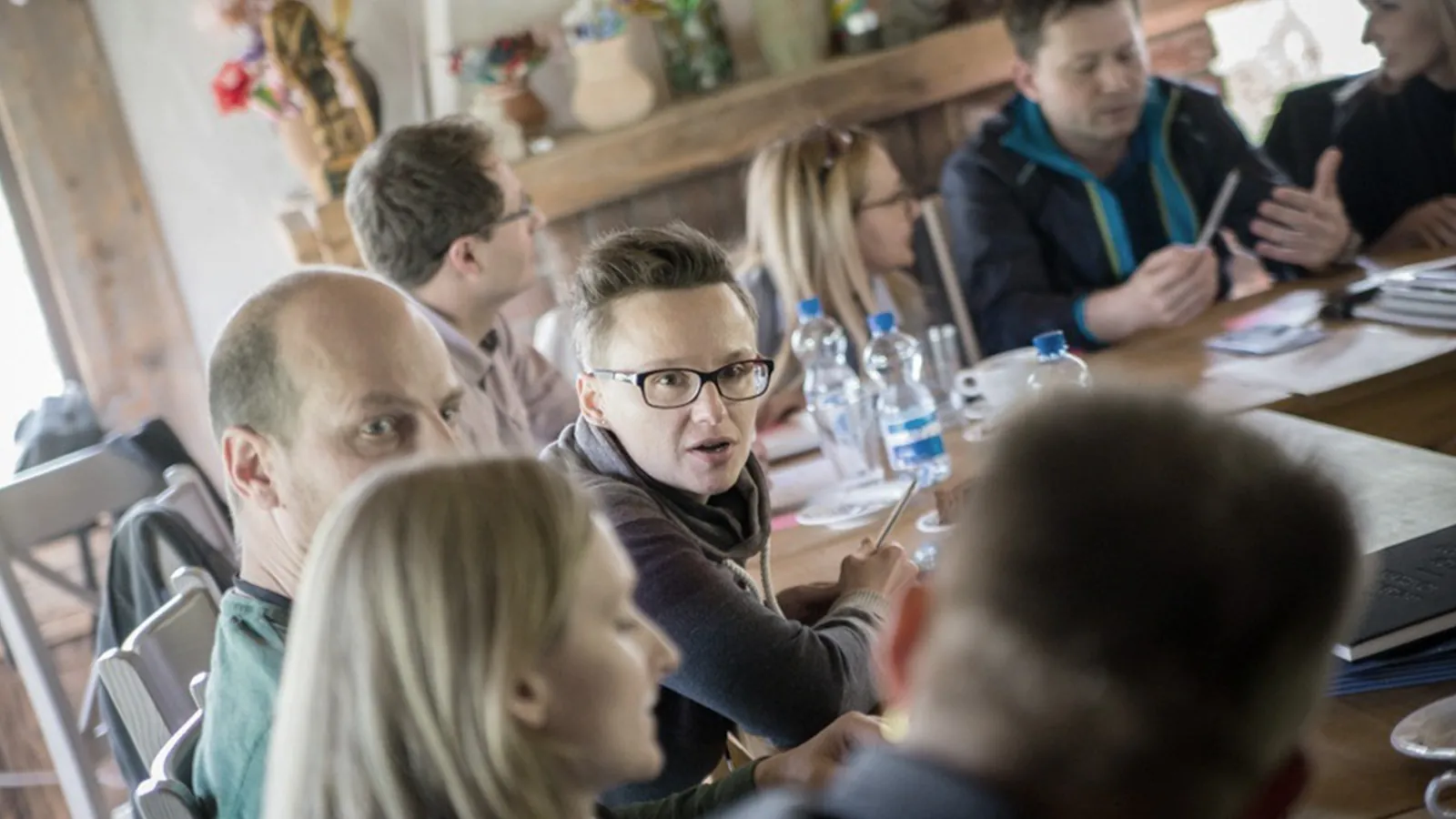
SMBs are often hailed as the backbone of any economy, yet several studies, by the European Commission and by independent auditors, show they are slow to adapt to our digital times. The double-digit growth tourism has seen in many areas over the last decade often masks these issues, but they are there, and they show up as missed opportunities. Most businesses in the Carpathian Project are likely still in the green, but with a systematic, professional approach to digital marketing, their revenues could grow significantly.
Project partners
- Visegrad Fund
- Stowarzyszenie Ekopsychologia
- Art and Craft of Stiavnica Civil Association
- Tourist Authority of South Moravia
Questions people ask
What was the Carpathian Project?
A nine-month programme for eco and tourism SMBs in Poland, the Czech Republic, Slovakia and Hungary. Each country hosted a three-day mini conference with talks by university experts, digital marketing workshops, study trips and one-on-one mentoring.
What do small tourism businesses need most from digital marketing?
Trustworthy places to learn and a clear sense of what is possible. They want to learn, but they do not know where to start or whom to trust, and many do not yet see why to invest in a website, content or campaigns.
How do you explain marketing terms to small business owners?
Translate them into scenarios they know. For conversion rate: of a hundred people who walk past your shop, five come in and buy, so the conversion rate is five percent. A common language builds trust.
What advantage do these SMBs have?
The product. They offer memorable experiences, get overwhelmingly positive reviews and have unique stories and craftsmanship. They need help selling it, not making it.