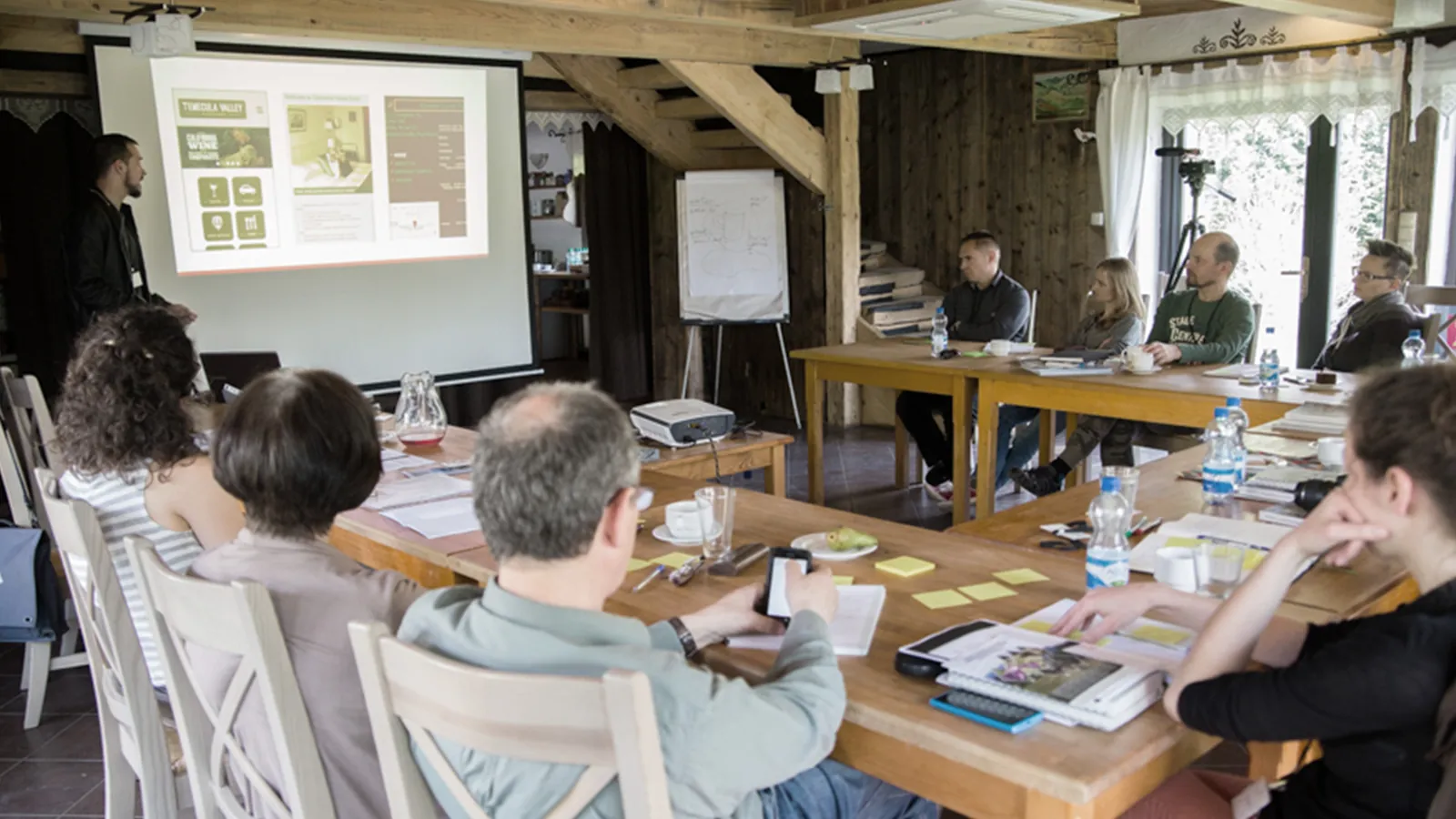
Organizing a local TEDx?
Marketing the first TEDx in a small town with a small budget: four personas, a 12-week campaign, local pride, and a full house.
In 2019 I ran the marketing of TEDxBékéscsaba as a volunteer, the first TEDx in the region. The town has a small audience, modest buying power, and many young people move away. We built four personas by age, ran a 12-week campaign on Facebook, Instagram and Google, and kept a steady drip of speaker news alongside past Hungarian TEDx talks. Local pride did the rest: the event ran a full house.
Organizing an event of the stature of TEDx is a challenge in itself, as it is a major international brand that comes with a certain baggage of expectations for quality entertainment. Pulling it off in a smaller town like Békéscsaba is an even greater marketing task, for several reasons. A small town means a much smaller audience, so reaching the right number of ticket sales would surely be a hurdle, not to mention getting the right return on our ad spend. Békéscsaba is also a rural town, and the people who live there have more modest buying power than people in Budapest, or even in other parts of the country.
To make matters worse, the region suffers from a serious brain drain, as most 20- and 30-somethings leave town for better economic opportunities. That is the age group where the TEDx brand usually thrives. Finally, on top of all these obstacles, we had one more defining challenge: TEDxBékéscsaba was to be the first such event in the region, which meant we were starting from almost zero. But other cities and towns have shown that it can be done, so it was up to us to figure out how.
In a nutshell
The challenge. TEDx events are a challenge to organize even under normal circumstances, and even more so in a region with a small audience, modest buying power and the effects of brain drain.
The work:
- Market research
- Marketing planning and budgeting
- Running the campaigns, PPC management
- Website redesign and content curation
- Coordinating the social media, PR and design volunteers
Defining and reaching the audience
Despite all these limits, the market research, formal and informal, showed considerable demand for quality educational entertainment in the region. TEDx is as popular as ever on Google Trends, and search volumes and similar events echo this. The audience was there, but finding and reaching them would be difficult.
After the research we created four buyer personas, basing the segmentation mostly on age. Defining these audiences was the easy part. Reaching them was harder: the first persona is generally indifferent to most social platforms (a generational gap), the second and third have a geographical challenge (they no longer live in town), and the fourth resists buying tickets online (the 40+ generation).
Further research showed that Facebook, Instagram and Google search ads, with an emphasis on Facebook, alongside remarketing campaigns, should yield the best return on ad spend. YouTube may seem like a natural first choice for a video-heavy brand like TEDx, but we set it aside because of the cost. The final marketing strategy included a 12-week PPC campaign with promotions (including a Christmas and a Valentine’s Day period), social campaigns, and the word-of-mouth spread of the main messages that we expected.
Relying on visual communication was key, as the familiar imagery and brand power of TEDx proved to be a major asset in such a price-sensitive environment.
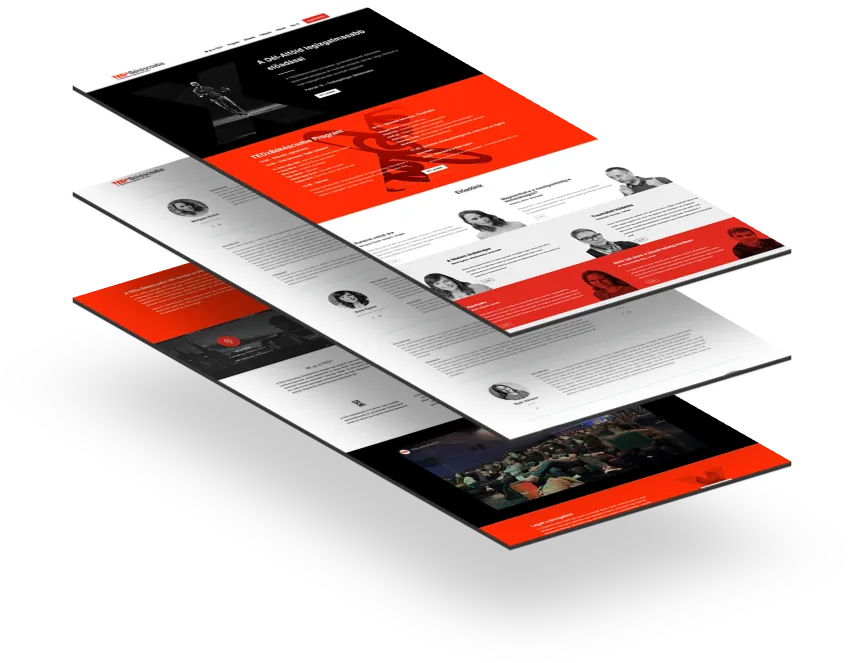
Dripping information, generating interest
A 12-week campaign for an event of this size is far from ideal, but it should be enough to get ticket sales across the line. Naturally, the TEDx brand was a big draw, and as our target audience started responding to the messages, ticket sales soon followed.
We designed the campaign to suit the small-town nature of the event, and community power mattered most. Being the first event of its kind in the region turned out to be an asset, as audiences took great local pride in the fact that the town had managed to “attract” an event of this stature. The community got behind the event, which showed in a much higher organic reach across every social media platform.
Being the first TEDx in the region proved to be an asset: audiences took great local pride in the town “attracting” an event of this stature.
Another important part was the timing of information on social media. Announcements of speakers, the programme and the exhibitors were mixed in with captivating Hungarian TEDx talks from earlier events. The result was a moderate but steady drip of information that kept interest up and laid the foundations for the local word of mouth.
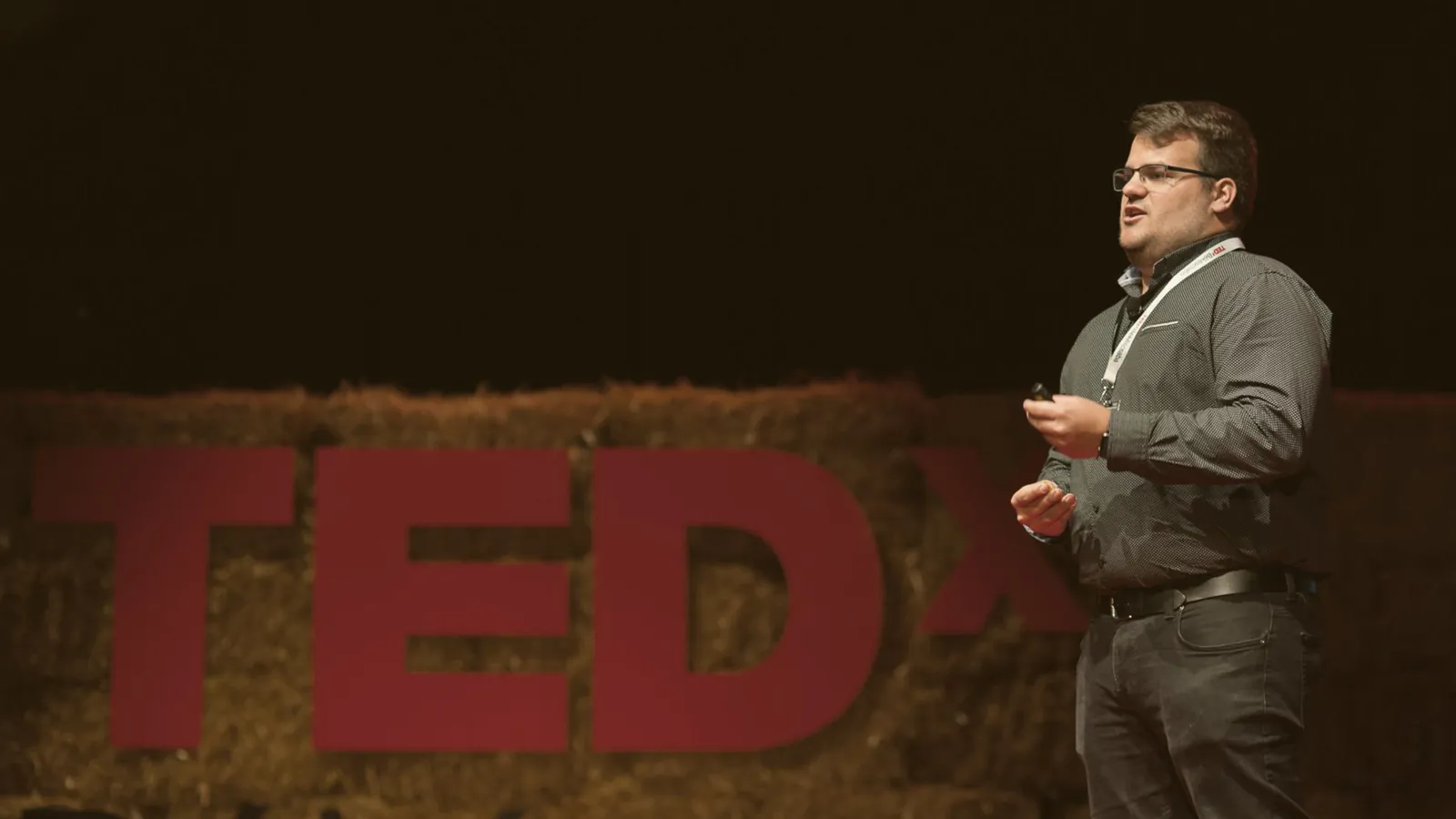
If you build it, they will come
The key takeaway of TEDxBékéscsaba, from an organizer’s point of view: creating a quality event in a rural town may look like a lost cause from a distance, but that could not be farther from the truth. TEDxBékéscsaba ran a full house. More importantly, the feedback was overwhelmingly positive, with an unexpected emphasis on joy and gratitude. Simply put, people were grateful to experience quality educational entertainment in their home town.
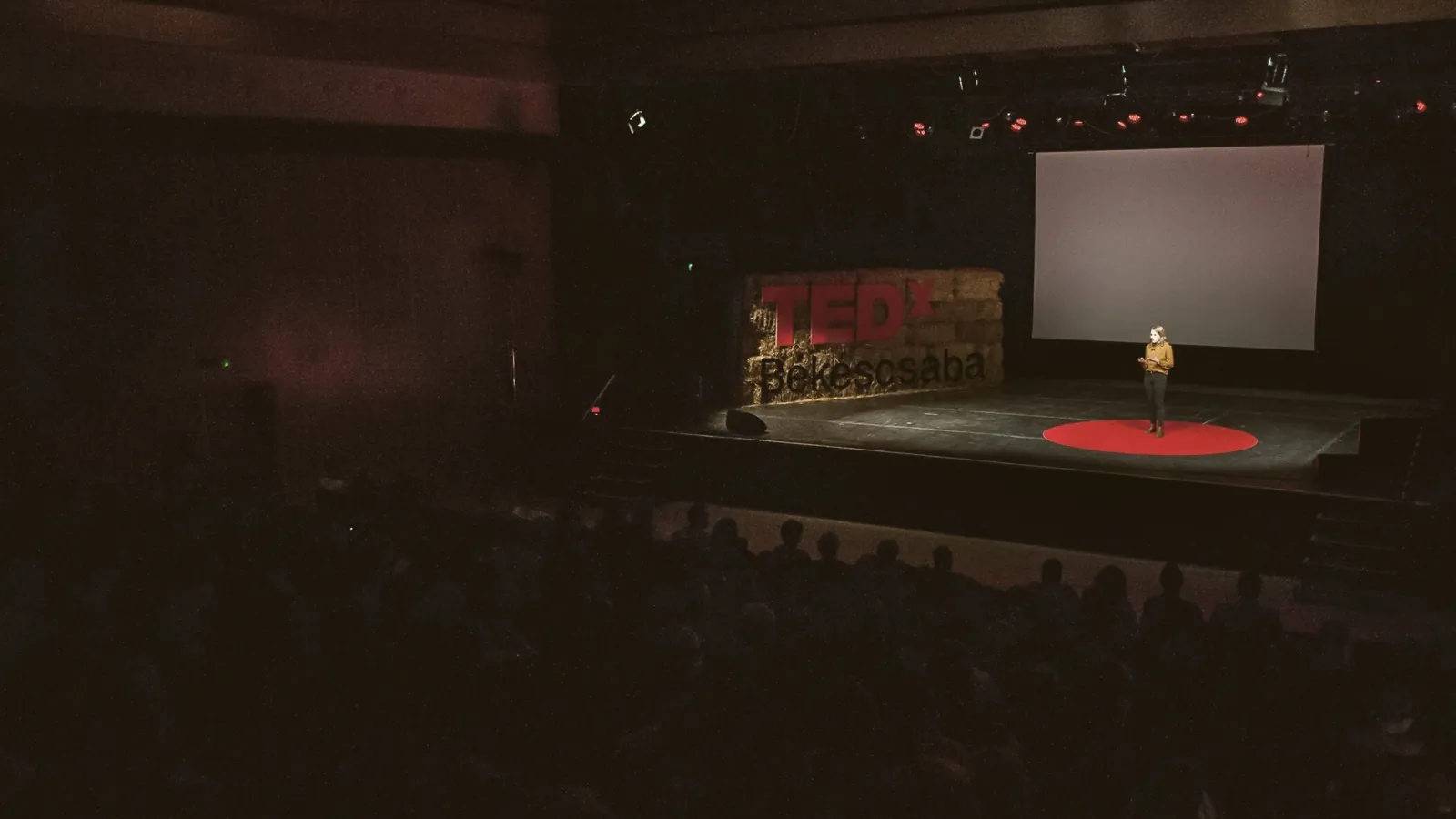
From a marketing point of view, many may worry about a smaller audience and a similarly modest budget. But towns have other channels that can be invaluable for any marketer, above all the power of community outreach.
Of course, marketing is only one cog in the much bigger wheel of organizing an event, and any work done is only as good as the rest of the team. Luckily, the project had volunteer talent on every front. Together with a rich and interested audience, that made a memorable weekend for everyone involved.
Disclaimer: TEDx events share ideas on a non-profit basis. All work for TEDxBékéscsaba was volunteer work, and I received no payment for it.
Questions people ask
Why is it hard to market a TEDx event in a small town?
The audience is small, buying power is modest, and many people in their 20s and 30s, the age group where TEDx usually thrives, have moved away. TEDxBékéscsaba was also the first TEDx in the region, so we started from almost zero.
Which channels did you use?
A 12-week PPC campaign on Facebook, Instagram and Google search, with an emphasis on Facebook, plus remarketing and social campaigns. We set YouTube aside because of the cost.
How did you keep interest up for 12 weeks?
With a steady drip of information: speaker, programme and exhibitor announcements, mixed with past Hungarian TEDx talks. Local pride in hosting the first TEDx in the region did the rest.
Were you paid for the work?
No. TEDx events are non-profit, and all work for TEDxBékéscsaba was volunteer work.